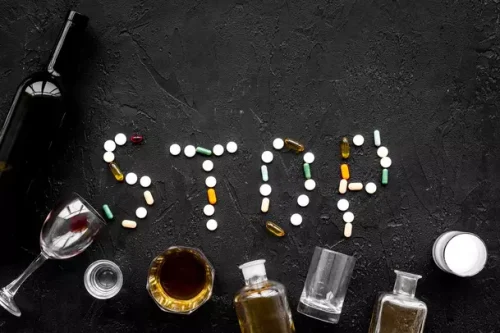
Alcohol, drugs, or addictive behaviors may have provided temporary relief from those feelings in the past, but you can’t rely on them anymore. Many people who struggle with addiction turn to their substance or activity of choice as a maladaptive way of coping. It is common for people who struggle with addiction to relapse at least once during recovery. Some people fall off the wagon several times before getting sober for the last time. In fact, despite the existence of FDA-approved treatments for nicotine, alcohol, and opioid addiction, more than two-thirds of individuals will relapse after initiating treatment.

Tumor dormancy and relapse: understanding the molecular mechanisms of cancer recurrence
Conversely, inactivated tumor suppressor genes fail to regulate the cell cycle effectively 65, 66. In dormant cells, genetic changes may facilitate survival under stress but prevent active proliferation 65, 72. For example, mutations in the TP53 gene, responsible for coding the p53 protein, can promote cell survival despite DNA damage. The p53 protein typically induces cell cycle arrest or apoptosis following damage. However, mutant Protein 53 (p53) enables cells to survive in a quiescent state, contributing to dormancy 73.
- Developing coping mechanisms specifically tailored to address mental health challenges and building a strong support system are essential components of mitigating the risk of relapse.
- As other qualitative studies, the finding generalizability may be limited and the new HBM domains need to be validated quantitatively in a future study.
- Conversely, the reactivation of Notch signaling contributes to tumor relapse by promoting the exit from dormancy and initiating cell proliferation.
- Increased social integration with others outside of the drug usage circle and family support—particularly from the spouse—that could encourage the development of a supporting system for rehabilitation 31.
- When individuals encounter a trigger, it may elicit not just thoughts about substance use, but also physical sensations, such as a turning stomach or tight muscles.
Understanding the Psychological Aspects of Addiction
There are different models and techniques to include in your relapse prevention plan. Relapse prevention is one of the main goals of drug or alcohol treatment programs. When you become addicted to a substance, your brain functions change, making it challenging to overcome your condition. Within the research sample, the facilitating conditions can be classified into supportive conditions during hospitalization and post-discharge services.

The Power of Forgiveness in Addiction Recovery

This resistance can be attributed, in part, to their quiescent state, rendering them less susceptible to the mechanisms of action employed relapse triggers list by these therapies. A recent study indicates that stress hormones may stimulate dormant cancer cells that remain in the body after treatment, further strengthening their survival under stress conditions 22. The experiments demonstrated that stress hormones triggered a cascade reaction in immune cells that led to the reactivation of dormant cancer cells.

The impact of addiction on spiritual well-being
Post-acute withdrawal Syndrome (PAWS) begins after the initial detox phase, bringing emotional and psychological challenges such as mood swings, depression, and sleep disturbances. Et al. 2024, titled “Alcohol Withdrawal Syndrome,” PAWS lasts several months to a year, making ongoing support necessary. Abstinence is an initial phase that focuses on withdrawal management, detox, and resisting cravings. Many individuals with alcohol use disorder (AUD) experience withdrawal symptoms, including anxiety, tremors, and seizures, with severe cases affecting up to 20% of heavy drinkers, according to Saitz R. Et al. 1998, titled “Introduction to alcohol withdrawal.” Medical supervision is necessary to ensure safety. alcoholism Excessive alcohol use is responsible for about 178,000 deaths in the United States each year, and it shortens the lives of those who die by an average of 24 years, as reported by the CDC.